
Airflow & filtration
Verifies that airflow, filtration, and exhaust systems meet local and federal regulations.

Compliance testing ensures that a spray booth meets environmental, safety, and performance standards, protecting workers, the facility, and the surrounding community. It matters because non-compliant booths can lead to fines, unsafe working conditions, and poor coating quality.
Verifies that airflow, filtration, and exhaust systems meet local and federal regulations.

Confirms that emissions of VOCs, particulates, and other pollutants are within legal limits.

Ensures that temperature, pressure, and other operational parameters maintain worker safety and consistent finish quality.

Supports smooth operations by helping your booth stay aligned with regulatory expectations.
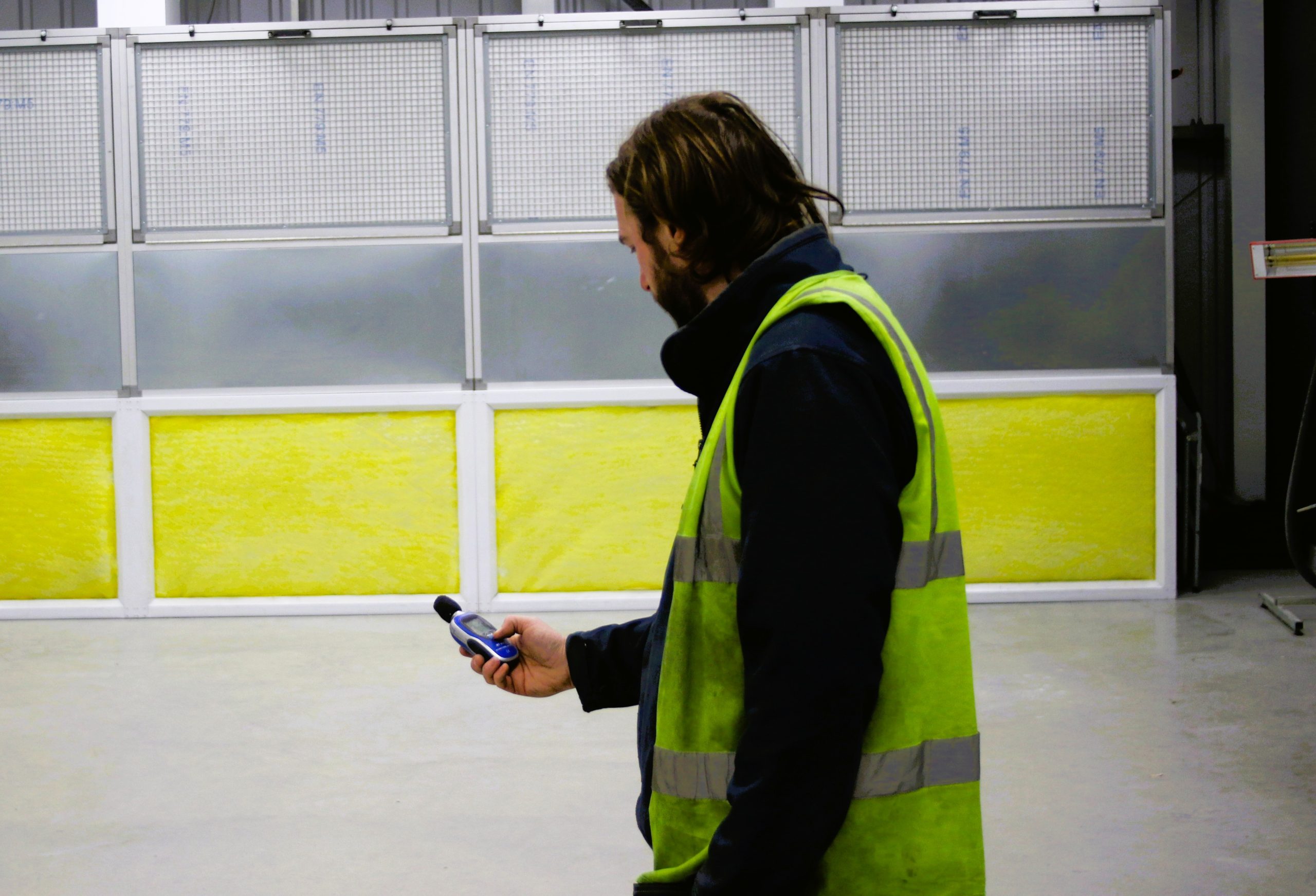
HSE compliance is essential for the safe operation of spraybooths and associated equipment. HSE guidance requires regular testing and inspection of spraybooths, extraction systems, and respiratory protective equipment such as masks to ensure effective protection and legal compliance.
If you are unsure whether the correct tests are being carried out, get in touch with us to make sure your equipment meets current HSE requirements.
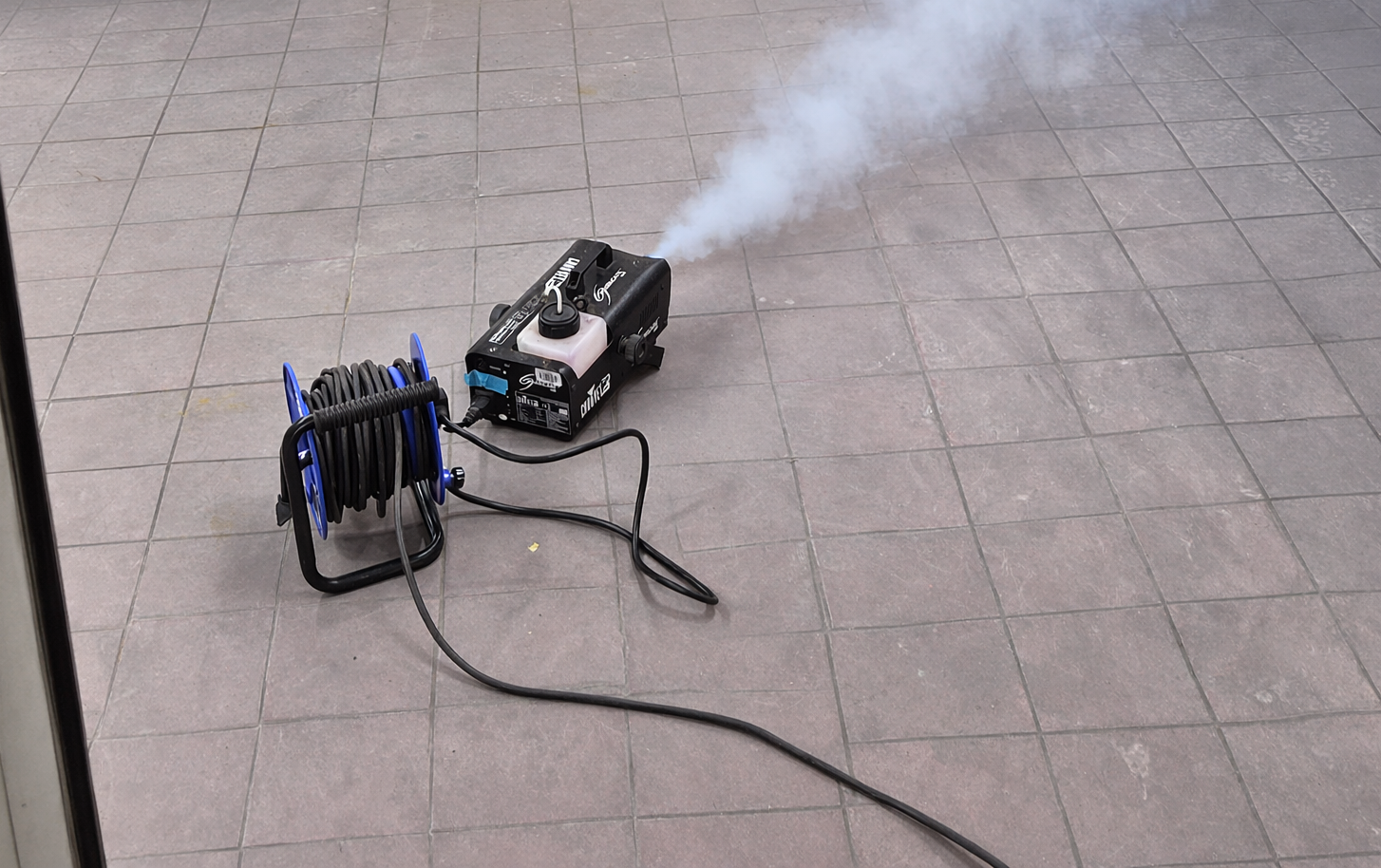
Local Exhaust Ventilation (LEV) testing ensures that the systems designed to capture and remove airborne contaminants (dust, fumes, vapours and overspray for example) are working effectively and keeping operators safe.
As part of a thorough examination and test (TExT), key performance checks are carried out to confirm the system is operating as intended. This typically includes assessing airflow and capture velocities, checking fan and filter performance, inspecting system integrity and verify effective extraction using smoke clearance testing. These routine tests not only help maintain compliance with HSE regulations but also ensure your spray booth continues to provide a safe, controlled working environment.

Breathing Air Quality (BAQ) testing ensures that the compressed air used for respiratory equipment meets the safety standards required to protect operators from harmful contaminants. UK guidance recommends testing at least every three months or more frequently if processes change or air quality cannot be guaranteed. Employers have a duty of care to maintain their RPE and verify that control measures are delivering clean, safe air. Compressed air is essential in paint application and supplies breathing apparatus: regular BAQ testing is a legal requirement for any site using compressed air for operator respiration.
STL systems meet leading industry standards and accreditations, giving our customers confidence in safety, compliance and long-term performance.




Need clarity on compliance testing? Explore simple explanations that help you understand what’s required and why it matters.
Under COSHH, spray booths must undergo a LEV Thorough Examination and Test (TExT) at least every 14 months. This requirement is set out by the Health and Safety Executive in HSG258, which confirms that local exhaust ventilation systems must be regularly examined to ensure they are effectively controlling hazardous substances. Routine testing helps demonstrate ongoing compliance and protects operator health and safety.
During a LEV Thorough Examination and Test (TExT), the spray booth’s extraction system is checked to ensure it is effectively controlling airborne contaminants in line with COSHH requirements. This includes airflow and capture performance, ductwork condition, filters, fans, and overall system integrity. Measurements are taken and compared against design or benchmark values, and a formal report is issued in accordance with guidance from the Health and Safety Executive, as set out in HSG258.
If a spraybooth fails a compliance test, the findings will be clearly documented in the LEV TExT report. STL can attend site following the test to review the findings and carry out any necessary remedial works required to satisfy the report and restore compliance as efficiently as possible.
Yes. Following a compliance test, STL can attend site to review the findings and carry out any required repairs, adjustments, or upgrades needed to address non-compliances. Our engineers work to restore the spray booth to a compliant condition as efficiently as possible, minimising disruption to your operation.
After compliance testing, you will receive a formal LEV Thorough Examination and Test (TExT) report. This document records the results of the inspection and testing, confirms whether the system meets COSHH requirements, and provides evidence of compliance in line with guidance from the Health and Safety Executive, as set out in HSG258. The report should be retained as part of your health and safety records and made available for audits or inspections.
No. Compliance testing is focused on health, safety, and legal requirements, not spray finish or product quality. Its purpose is to confirm that the extraction system is effectively controlling airborne contaminants and protecting operators, rather than improving spray performance.
Yes. Compliance testing can be scheduled alongside servicing or maintenance visits to reduce disruption and streamline site attendance. STL will coordinate the works to ensure testing is carried out at the appropriate stage and your spraybooth is returned to service as efficiently as possible.
Looking for compliance advice? Speak to an expert...