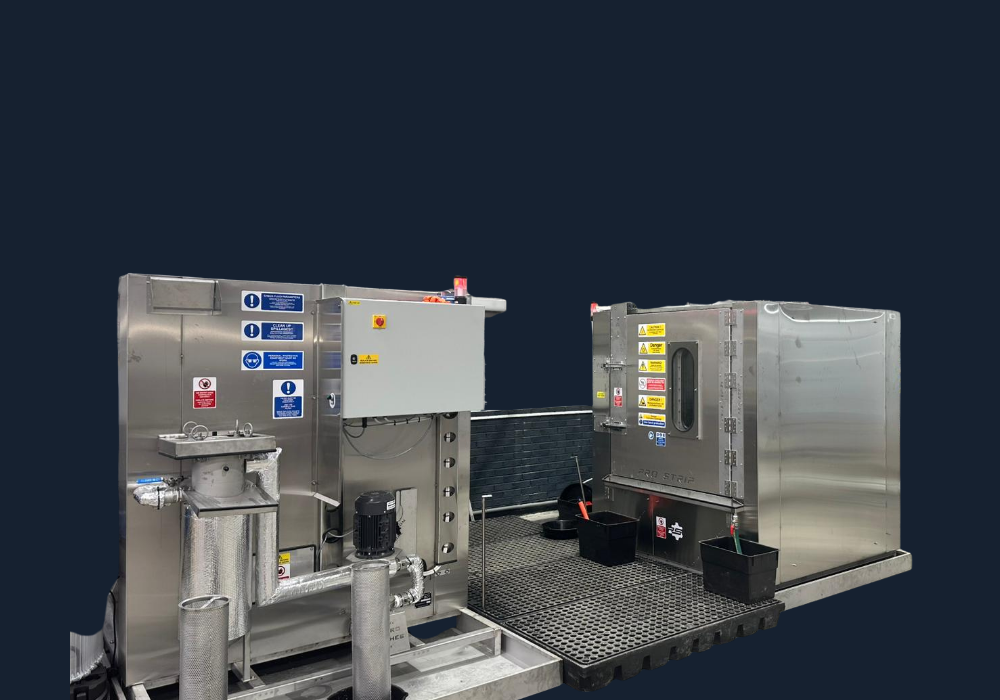
Wheel strip
Initial removal of old paint and contaminants from the wheel.

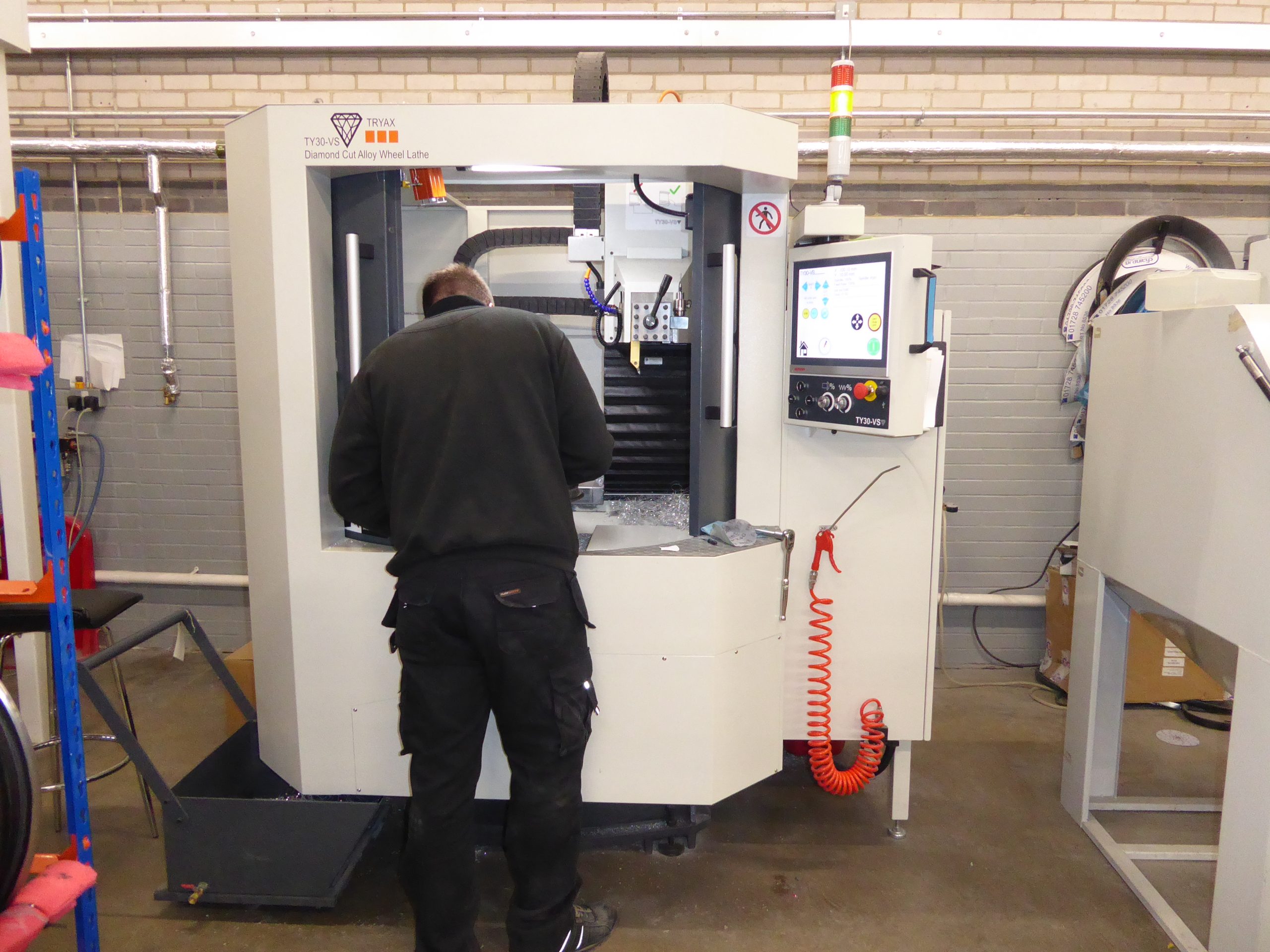
STL provides a full range of alloy wheel refurbishment equipment designed to support efficient, high-quality repair operations. From preparation and coating through to curing and finishing, our solutions are engineered to streamline workflows, improve consistency and maximise throughput in busy wheel repair facilities. Each system can be specified to suit your space, output requirements and operational processes.
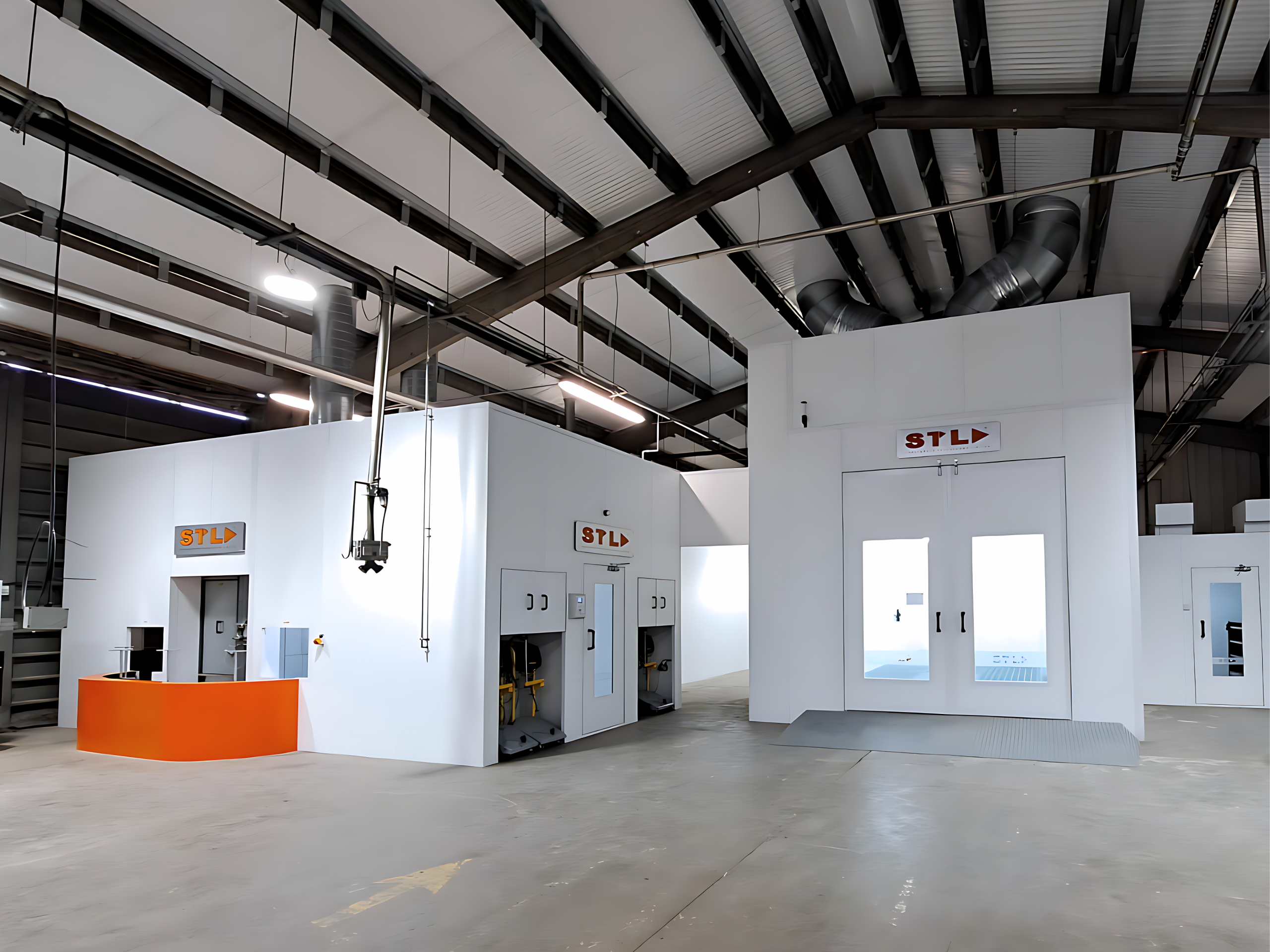
At the heart of many refurbishment operations is STL’s integrated alloy wheel powder coating system. Designed as a complete, all-in-one solution, it combines preparation, coating and curing into a cohesive workflow that delivers durable, professional finishes at speed. Engineered for consistent application and paint manufacturer-certified curing, the system supports high-volume output while maintaining quality and control.
Our alloy wheel refurbishment range includes a wide selection of equipment that can be combined to create a fully optimised refurbishment line, tailored to your operation.
Initial removal of old paint and contaminants from the wheel.
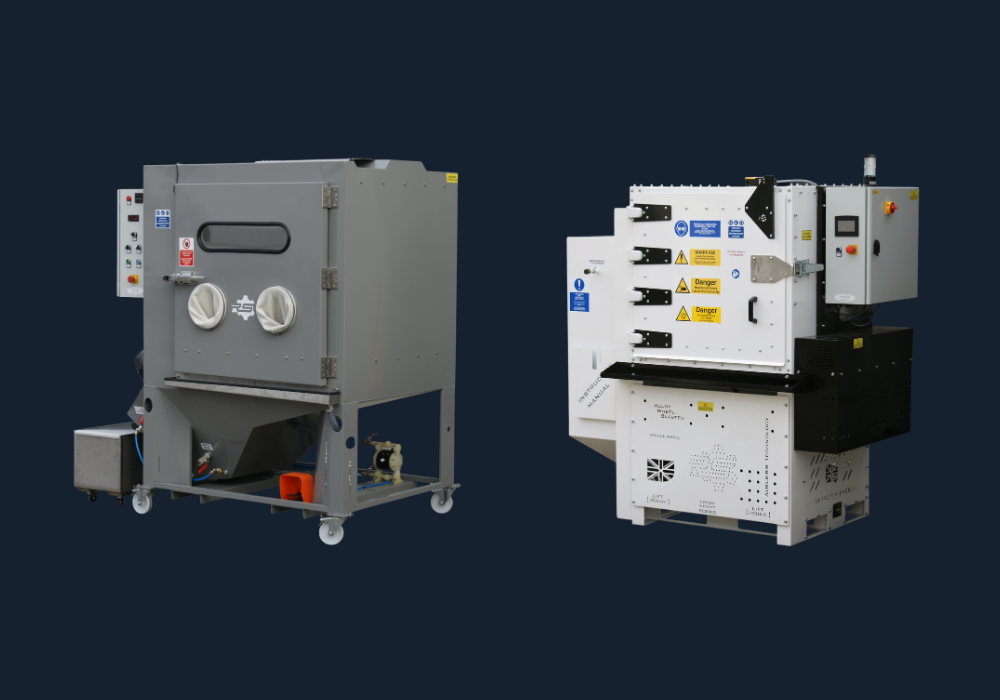
Surface preparation: blasting removes corrosion and preps the metal.
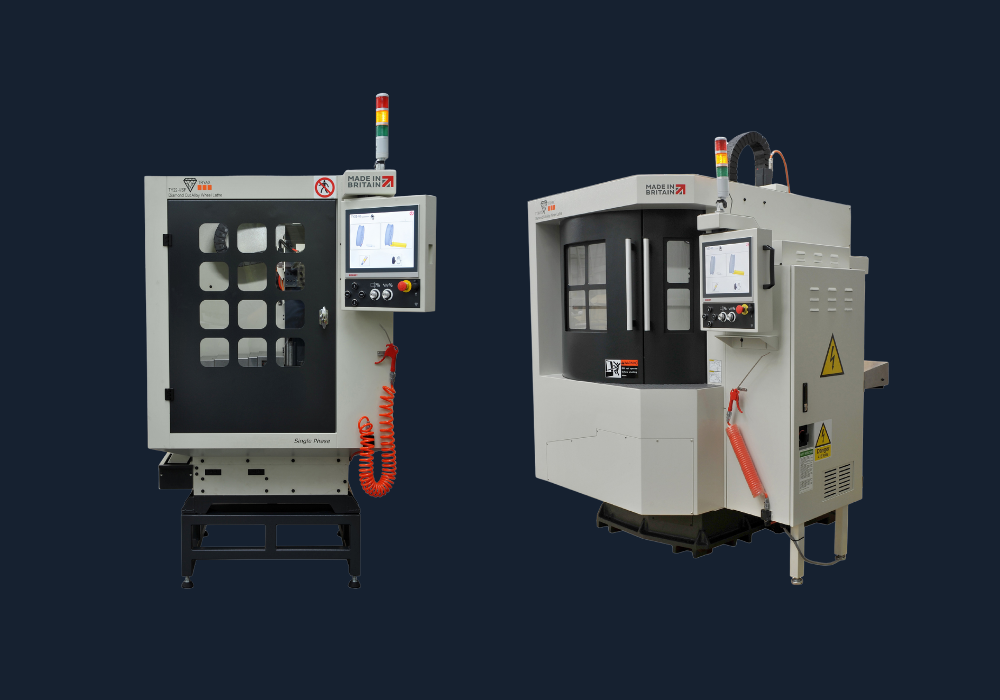
or precision cutting and refinishing of the wheel face.
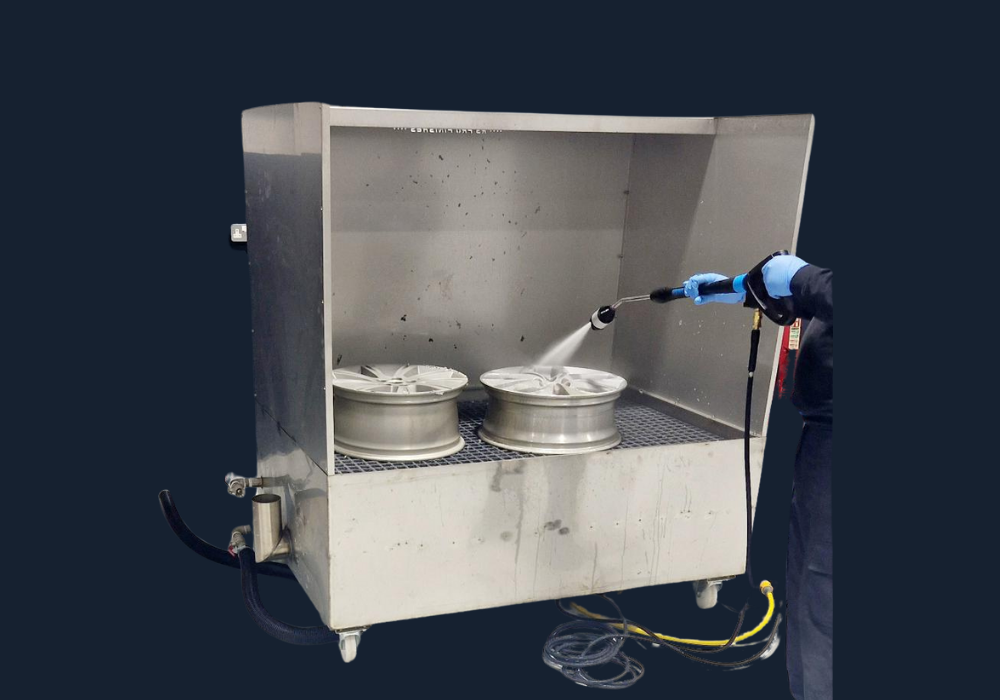
Post-machining cleaning to remove dust, debris, or swarf.
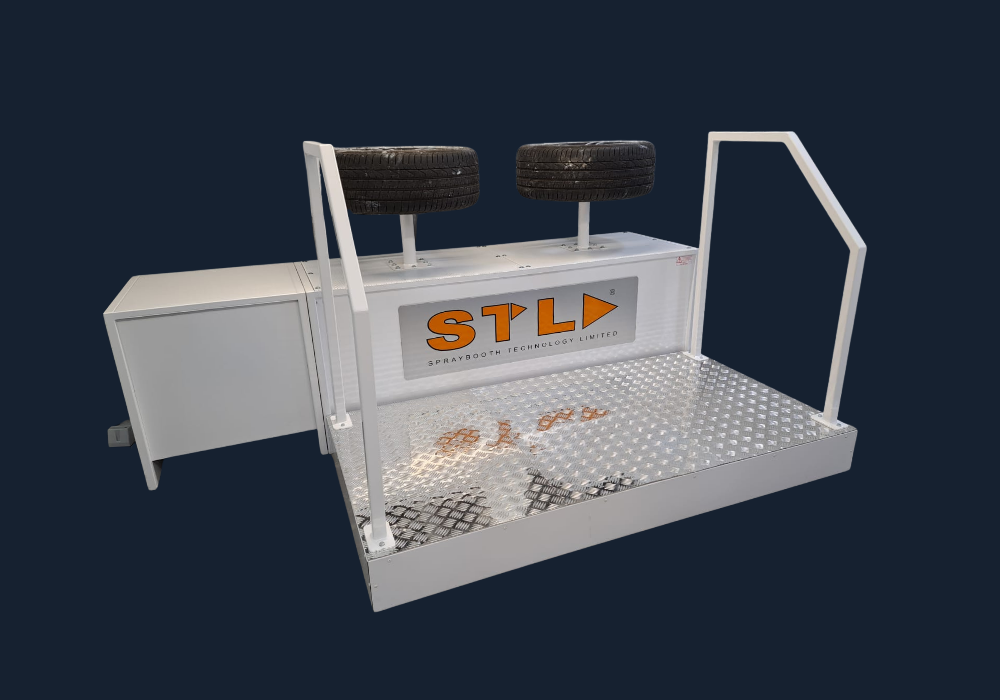
A ventilated prep bench for sanding, filling, or detailing.
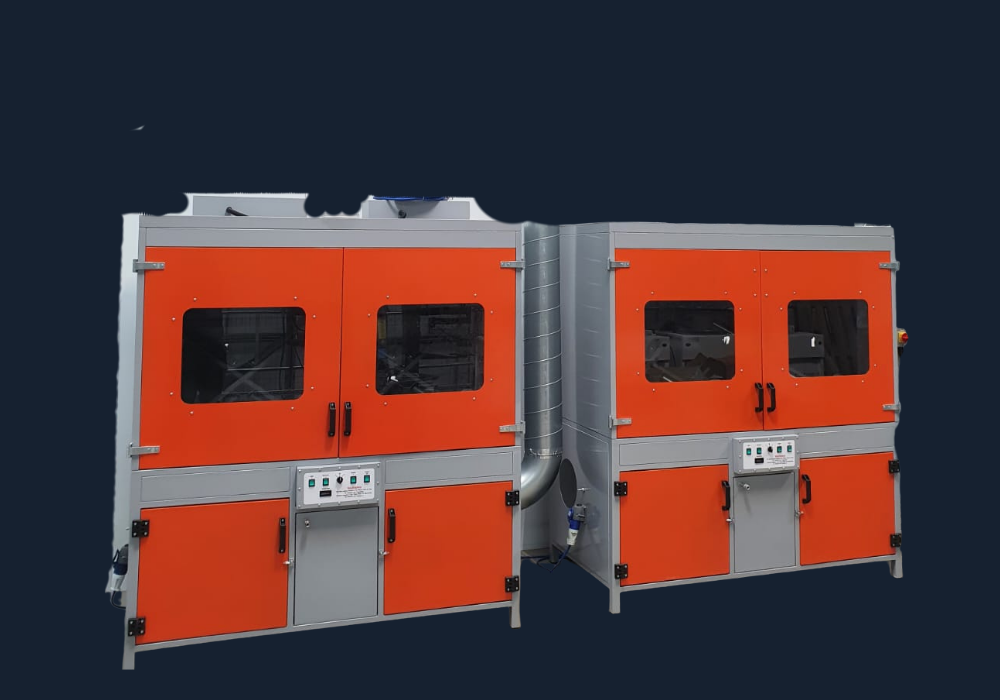
Controlled spraying of primer and colour coats.
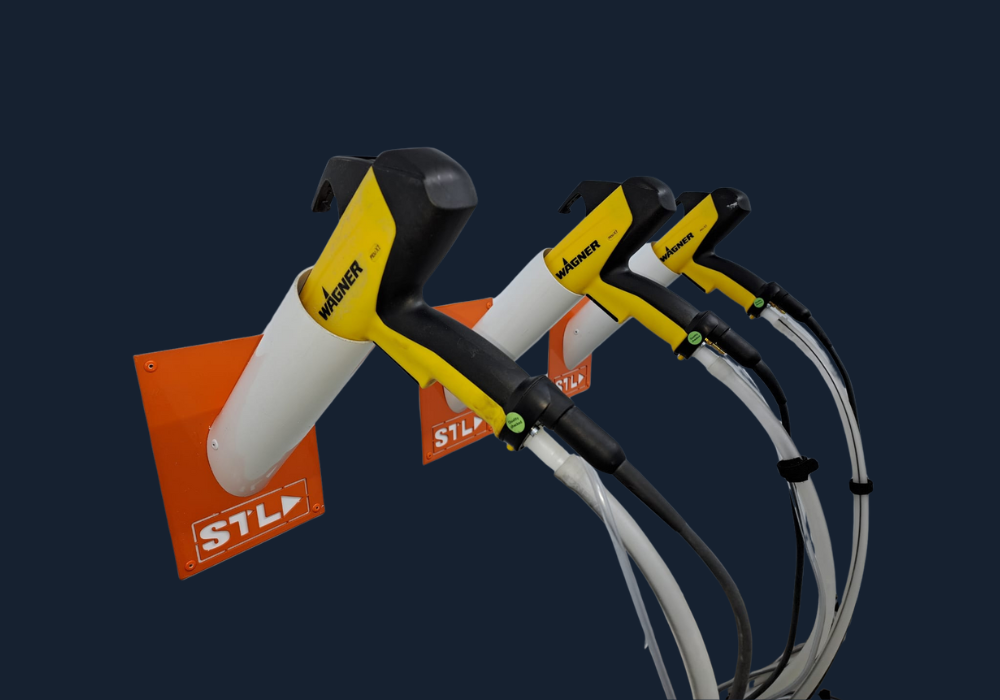
Applies powder coat before curing.
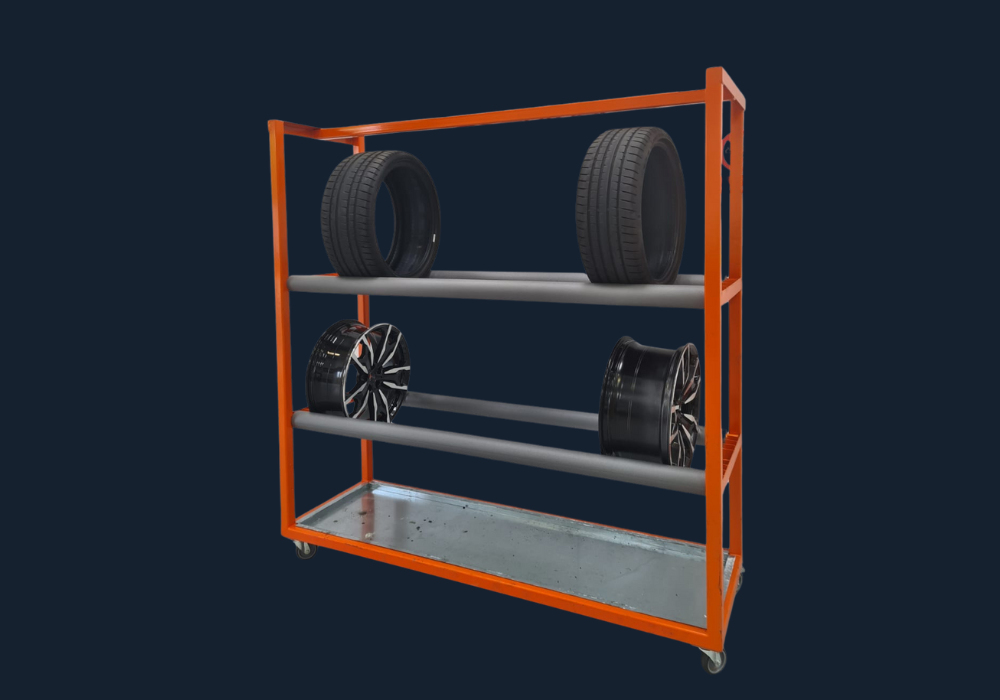
Portable station for drying, final touch-ups, inspection, or movement around the workshop.
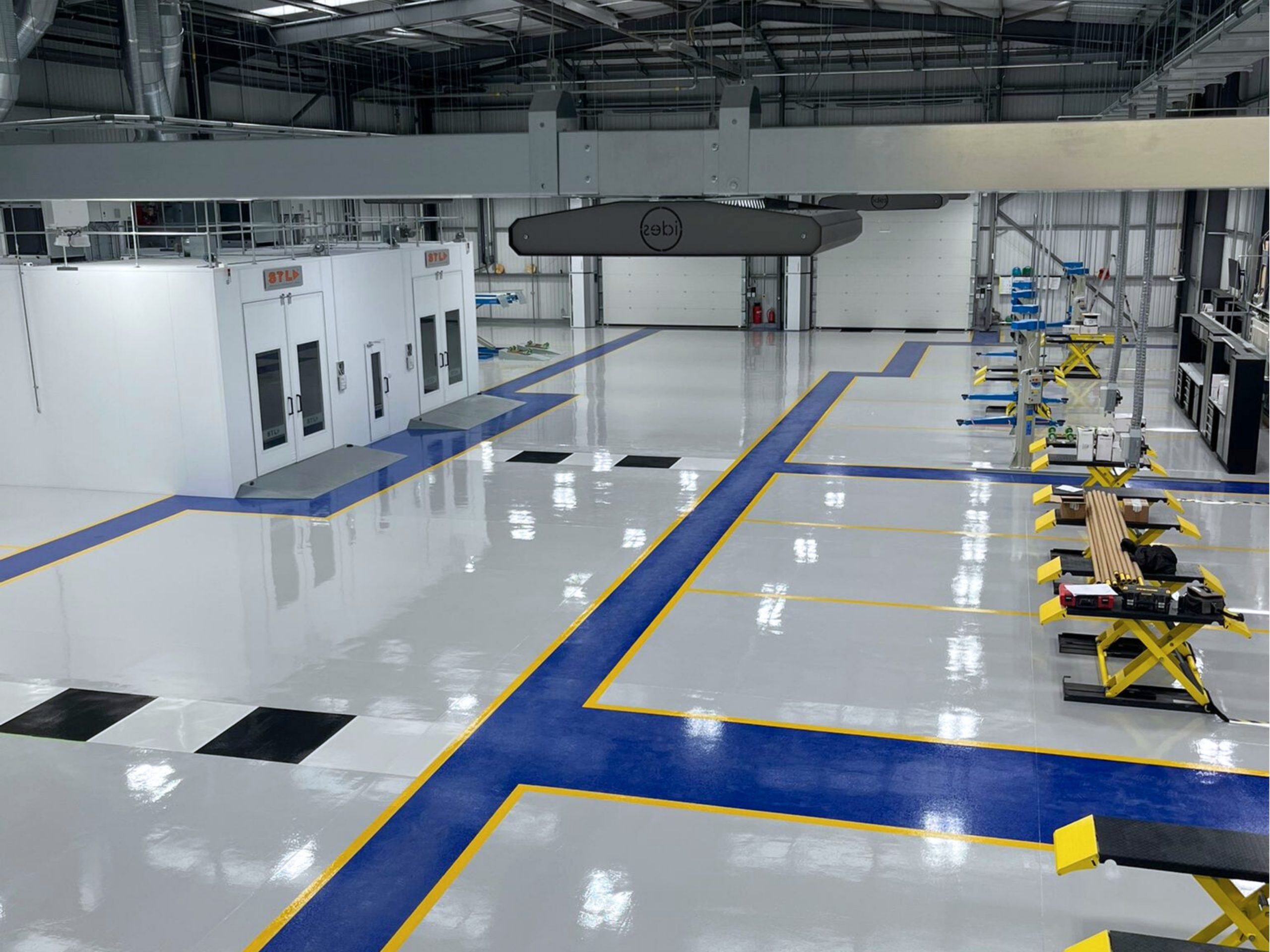
STL manages every stage of your project, from structural works and ventilation to electrics, heating and compressed air and gas works. Our expert project team will ensure your turnkey installation is delivered on time, within budget and to the highest standard.
By coordinating all trades in-house, we minimise disruption to your operations with a single point of contact: a designated project manager.
STL systems meet leading industry standards and accreditations, giving our clients confidence in safety, compliance, reliability, and long-term performance.




Common questions about STL’s alloy wheel spraybooths, equipment, and refurbishment services.
STL’s alloy wheel repair solutions are designed as part of a complete in-house wheel refurbishment setup for bodyshops, integrating with diamond cut lathes, wheel strip, blast, wash, extract, and spray-out equipment, as well as powder coat systems, to support efficient, high-throughput wheel repair.
Installation times vary depending on the scale of the project and the equipment being installed. Smaller additions can often be completed quickly, while larger or fully integrated systems will require a longer, planned installation programme. STL will confirm timescales during the survey and planning stage.
Installation lead times vary depending on the system type, project scope, and current workload. As a general guide, lead times can range from around one month to several months, with confirmed timescales agreed during the survey and project planning stage.
Yes. STL designs equipment layouts around your available space, workflow, and operational requirements. Each system is tailored to suit your workshop’s layout and throughput needs, ensuring the equipment integrates smoothly into your existing processes.
Yes. Depending on the equipment installed and your current setup, STL systems can streamline workflows and reduce handling time, helping improve overall repair turnaround times. Improvements will vary based on how the equipment is configured and used within your workshop.
Want advice on an alloy wheel set up? Contact our team...